












The Lifespan of an Office Chair: Wear, Mechanics, and Care
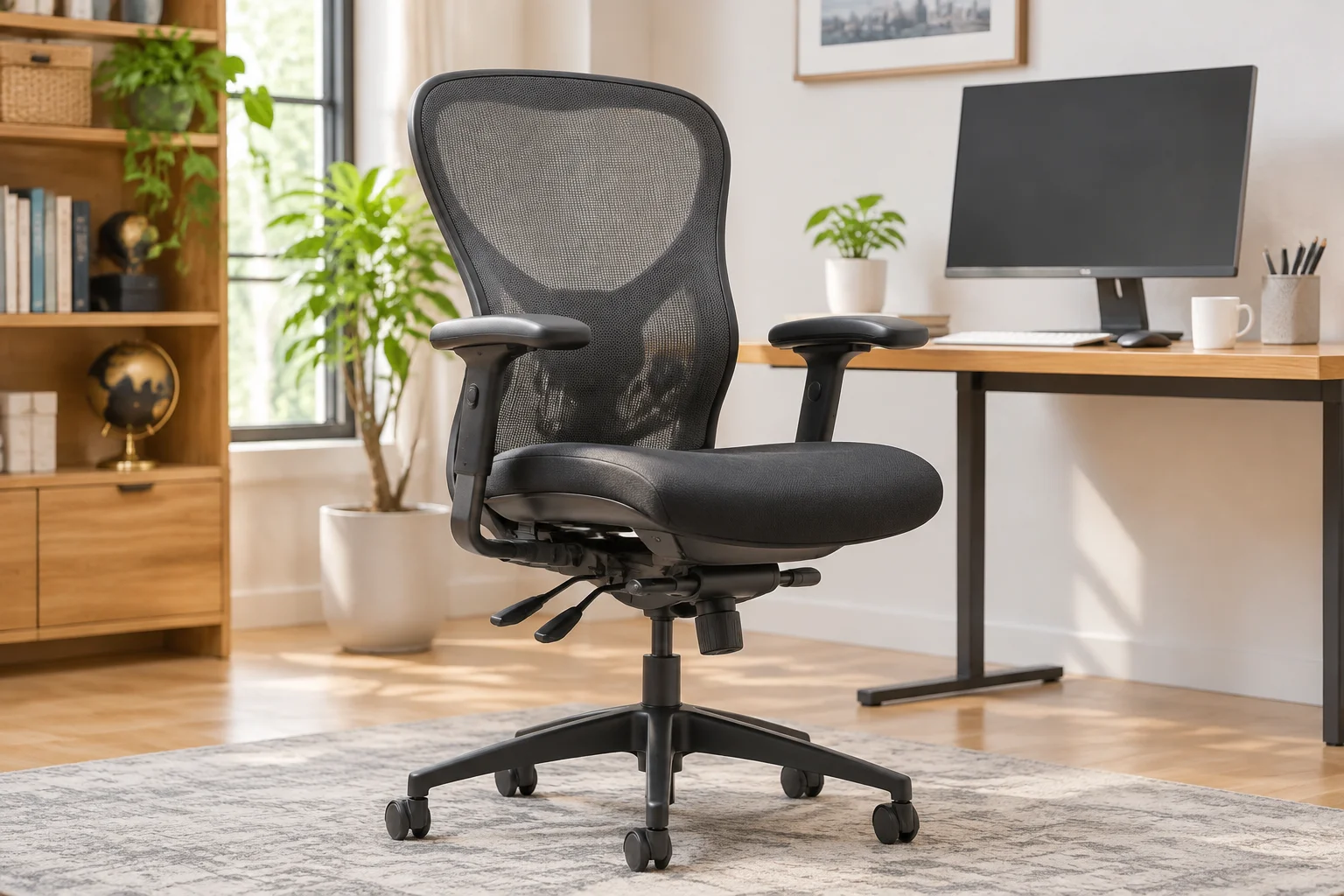
Every morning, thousands of people sit down at their desks, slide closer to the screen, and begin the workday. The office chair absorbs this movement quietly, taking the weight of deadlines, phone calls, and endless typing sessions. Over months and years, this constant pressure alters the chair in ways that happen too slowly to notice until discomfort sets in.
Understanding how daily use transforms your seating helps you catch minor issues before they turn into permanent aches or broken parts. Viewzyron explores the invisible changes happening inside the foam, fabric, and steel of your workspace furniture.
The Slow Compression of Cushioning
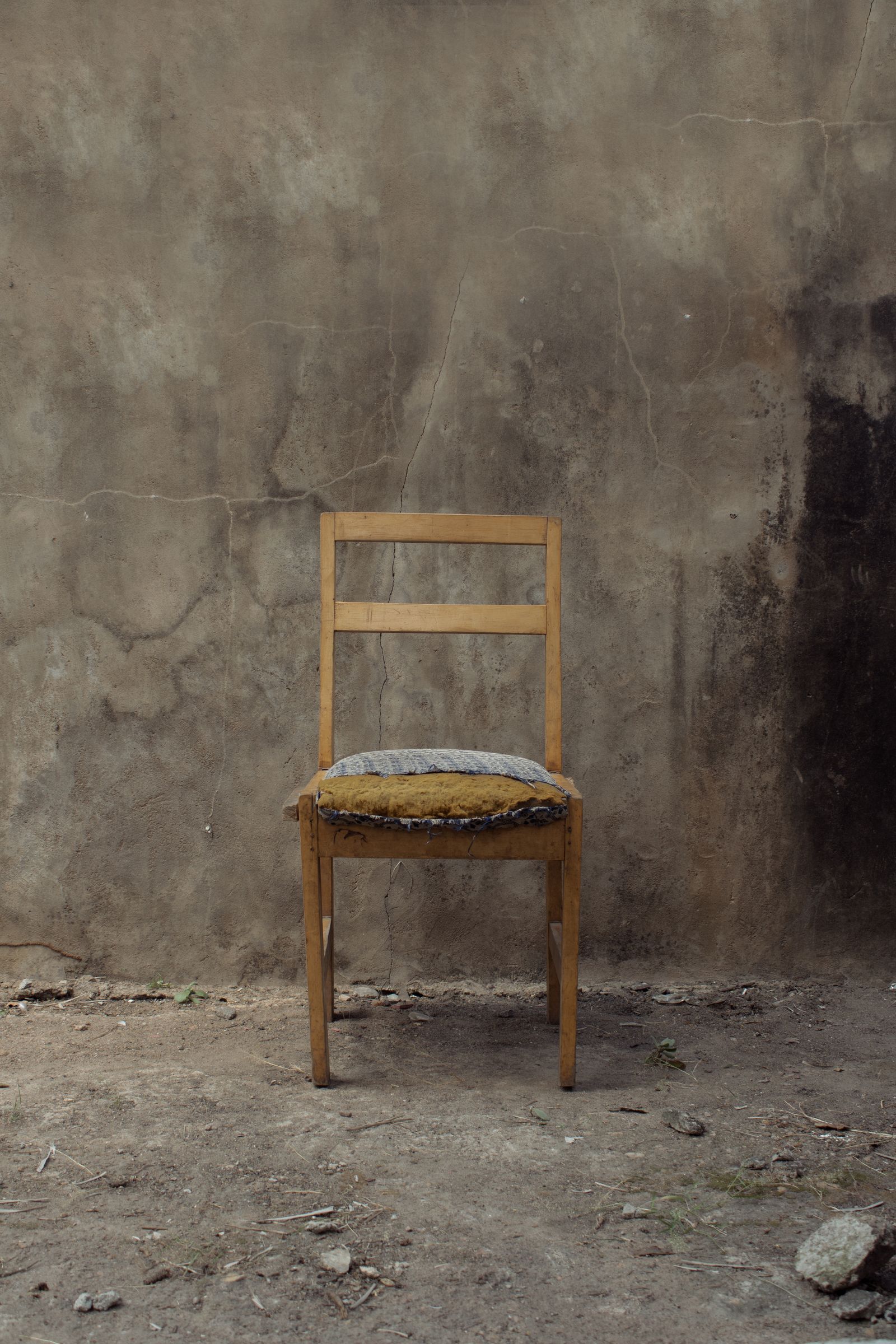
The foam inside a seat cushion undergoes millions of micro-impacts every single week. At first, the material bounces back instantly, greeting your weight with firm resistance. Gradually, air pockets within the polyurethane structure break down, and the foam takes slightly longer to regain its shape after you stand up.
This loss of resilience shifts your posture without your permission. As the center dips lower than the edges, your pelvis tilts backward, forcing your lower spine into an unnatural curve. A compressed cushion no longer distributes body weight evenly, leading to fatigue in the thighs and lower back long before the afternoon is over.
Friction and Upholstery Wear
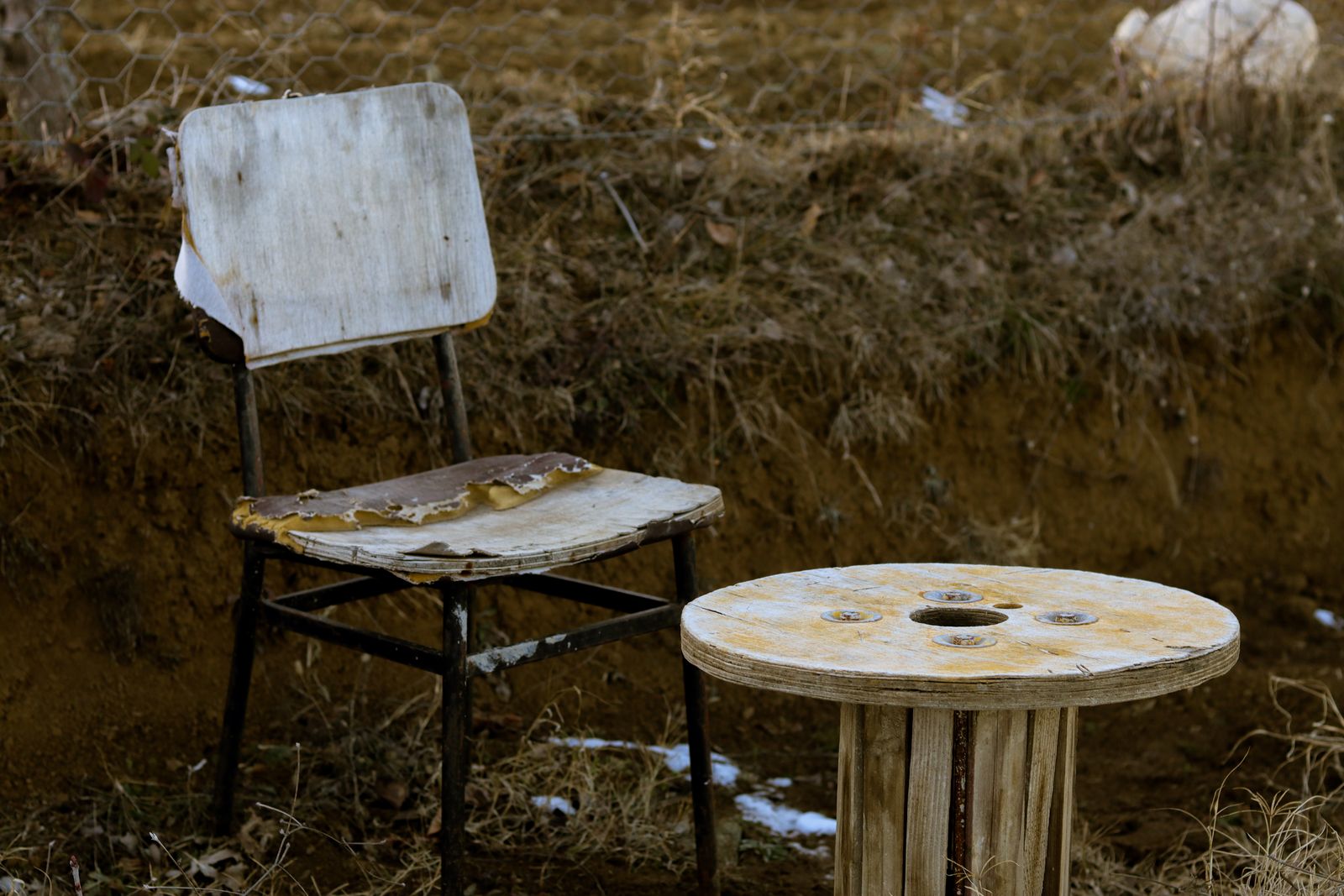
Fabric faces a relentless enemy in the form of daily friction. Every time you shift position, reach for a notebook, or lean back to think, clothing abrasive materials rub against the seat cover and backrest mesh. Synthetic blends hold up longer, but even they begin to pill, thin out, or trap dust deep within the weave.
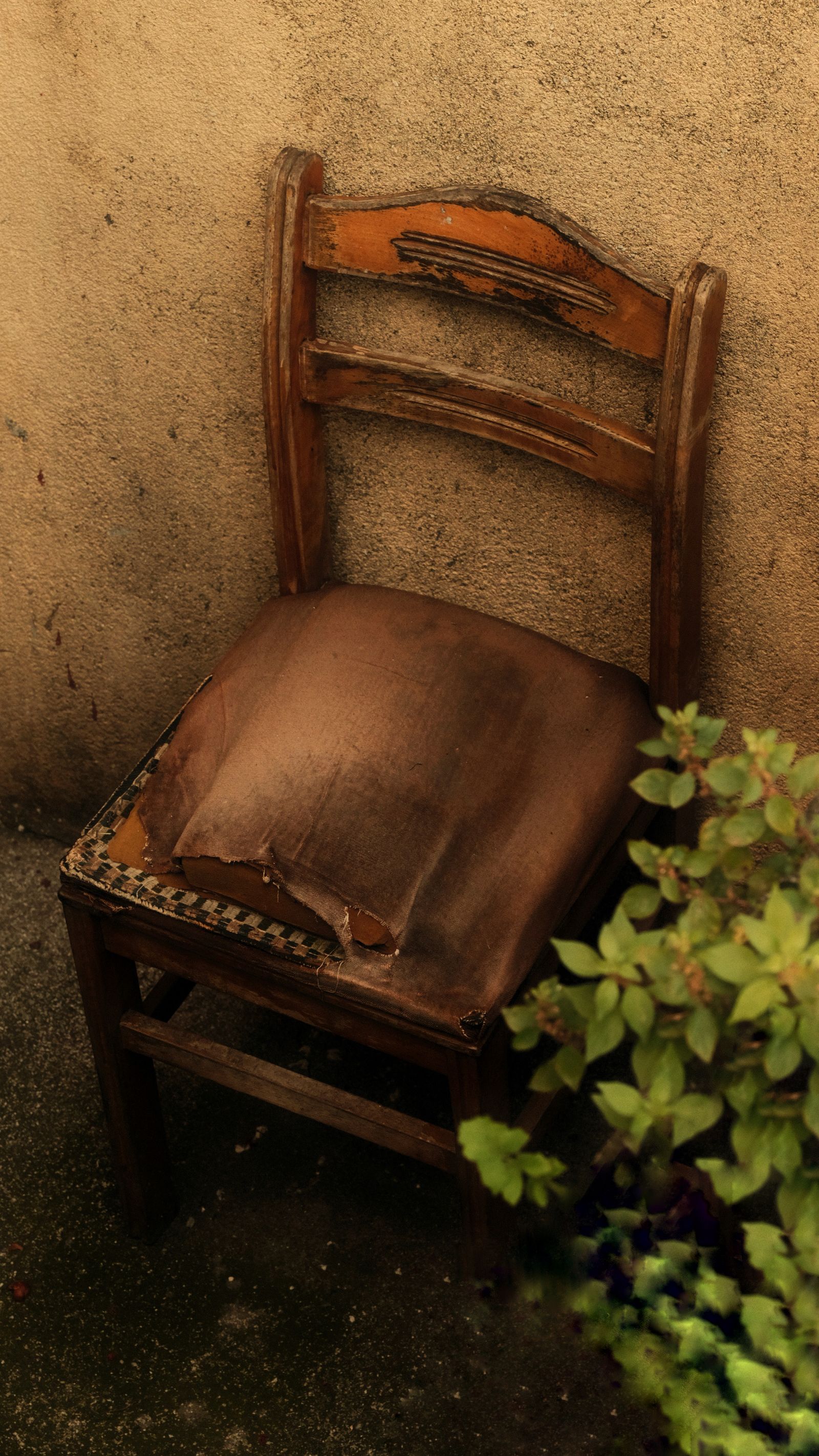
Leather and faux leather face a different fate under office lights. Body heat and natural oils dry out the surface, causing microscopic cracks to form along the creases where the knees bend. Without regular cleaning, the material loses its flexibility and starts to peel at the high-friction seams.
- Vacuum the seat crevices monthly to remove crumbs and abrasive dust particles.
- Wipe leather surfaces with a damp microfiber cloth to clear away body oils.
- Avoid sitting with sharp metal objects in your back pockets that can tear the mesh.
- Keep the chair away from direct sunlight to prevent fabric bleaching and drying.
- Rotate or flip removable cushions if the design allows for even wear distribution.
- Check for loose stitching around the armrest attachment points every season.
The Hidden Life of Mechanical Parts
Beneath the comfortable exterior lies a complex skeleton of steel levers, springs, and plastic housing. The tilt mechanism bears the brunt of your upper body weight every time you recline to read a document. Over time, factory lubrication dries up, turning smooth reclining motions into stiff, squeaky movements.
Gas lift cylinders also experience constant internal pressure changes. When you bounce down into the seat or adjust the height ten times a day, the seals wear down. Eventually, the chair slowly sinks on its own while you work, requiring a frustrating readjustment every twenty minutes.
Simple Habits That Preserve Function
Preserving your office chair does not require specialized engineering tools. Simple, consistent habits protect the investment you made in your workspace comfort. Cleaning routines and mechanical checks keep the chair operating the way it did on the first day.
Take a few minutes each month to inspect the wheelbase and tighten any loose bolts underneath the seat pan. A quick spray of silicone lubricant on the pivot points stops annoying creaks and reduces metal-on-metal friction. Treating the upholstery with the right conditioner keeps the fabric soft and resistant to sudden tears.
Your office chair is the silent partner of every productive day. By paying attention to the gradual changes in its cushioning, fabric, and mechanics, you keep your workspace comfortable, supportive, and ready for whatever task comes next.


Comments